When I was a boy, my grandfather and I would walk the hills of the Appalachian Mountains behind their home. These hills were where anthracite coal was first mined, and the environmental destruction was enormous. By the time I was a kid, the mines were played out and the town was desperately trying to survive. As we walked, grandfather would point out various birds. There was one in particular, the Blue jay that we would hear squawking, “Hear that bird?” he asked one day, “Sure” I answered.
“What is that Jay screaming?”
“I don’t know.”
“It’s screaming ‘Jew, Jew, Jew Jew”. And yes, it did sound like that to my young ears.
This was my grandfather attempting to show me that sometimes, the world was going to be screaming bad things and I would have to just assume it was as crazy as that Blue jay.
Recently, a friend told me that noted birder Steve Hampton was publicly claiming I am a racist because I don’t support his position on the proposed transfer of Protection Island and Dungeness Spit Wildlife Refuges to the Jamestown S’Klallam Tribe. He has apparently posted this charge on the bird watching listserv called Tweeters. I had no idea Tweeters even was a thing, so I joined up and sure enough, Steve was on there making his case that I am a racist. Why? Because other birders of note were agreeing with my position. It must have shook Steve.
The idea that I’m a racist is bizarre and ridiculous. I moved to the Pacific Northwest in 1978. As a photo journalist in 1975 I was the only white person allowed inside the Menominee Warrior Society takeover of an Abby. I was accepted by both the Tribe and the American Indian Movement members who were there. I went through the sweat lodge with them during the occupation. I was covering the story for an international news outlet. I remained inside for 30 days until they surrendered to the National Guard. I was arrested, but never charged with any crime.
Since 2007 I have been running this blog to help people understand the environmental issues on the Peninsula. Since Mr. Hampton is a recent transplant from California, with a limited knowledge of our area, he must be unfamiliar with my credentials to have an opinion on this proposal. You can make your own decision.
I worked for the Jamestown S’Klallam Tribe for about five or six years in the 2010s, producing two films for them under the guidance of a tribal elder, the late Marlin Holden, a good friend. Last I heard this film is in their tribal library. Since we were filming sensitive tribal activities the Tribe did not want the film online. I agreed.
I went before the Tribal Council on numerous times to get funding and renew funding for the project and update the Tribal Council on the projects. My film, “ Treaty Resources “ documented many of the Tribes activities around fishing, hunting geoduck sales, etc. During that filming I became acquainted with Tribal Chair Allen, the entire Tribal Council, many tribal elders and leaders and the late Kurt Grinnell. I sat in on a variety of tribal meetings and activities. I interviewed Ron Allen for the introduction to the film. I was honored to have been told I was the only white filmmaker ever to be allowed to film the annual tribal meeting.
Also, I was a member of the Jefferson County Marine Resources Committee for eight years including chairing it for two. In that role, I worked closely with the Jamestown Tribe to promote Olympia Oysters being restored to Dungeness Bay. In that role, I met with and discussed issues with Billy Frank Jr. I was surprised that he always seemed to know my name, even though I was a minor actor in many of the issues of that day. I filmed one of his last speeches in Port Townsend, which is publicly available on Soundcloud.
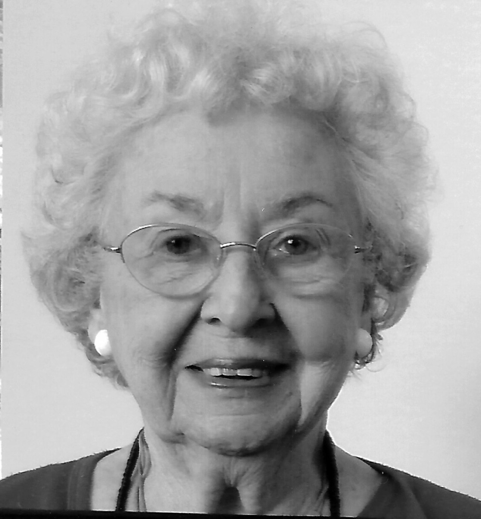
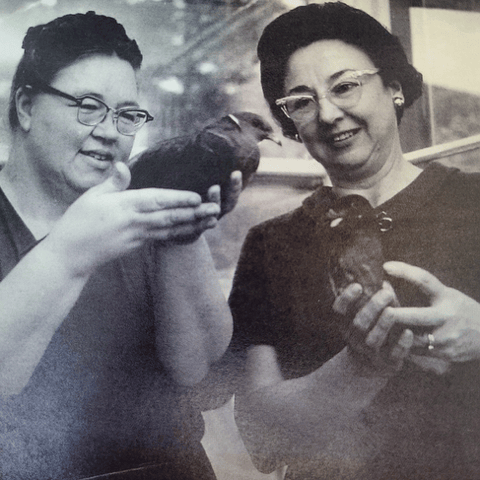
I worked as a volunteer photographer with Hazel Wolff, Helen Engle, Seattle, Audubon, Lorna Campion, who is now known as Lorna Smith and a noted environmental activist, and the late Eleanor Stopps documenting Protection Island and helping get it passed back in the 1980s. I did one of the last interviews with Eleanor before her death. It was because of Eleanor and the work of thousands of others that Protection Island became a National Wildlife Refuge. I have seen the archives in the UW Allen Library of the letters of support from the community to the Senate hearings. Steve Hampton’s name is not in that list.
The idea that I am a racist is laughable and pathetic that someone of Steve’s stature would be claiming it. The reason he does is because on the issue of the Tribe and their request to have these two refuges given to them, I am on the opposite side from Steve. For good reason.
I have documented what the tribe has done and said on this blog for over twenty years. You can search Protection Island and Dungeness Bay and see the vast variety of factual reporting that I have done on the various things that have happened there over those years. I have been an ardent supporter of much of what the Tribe has done over that time. I think that Ron Allen is an exceptional leader and the Tribe is successful because of his leadership.
It is sad that I and others find ourselves opposed to this land transfer that Ron Allen has asked for. No one else other than the Tribe has asked for this. Everyone is satisfied with the Tribe’s co-management of our national wildlife refuges. But make no mistake, the tribe is an economic juggernaut, with many successful businesses including aquaculture.
That I have been clear is based on the words and deeds of the Tribe. It is a fact that the Tribe, once they helped cleaned up Dungeness Bay, have filed to put an oyster farm inside the Bay, essentially abutting the Wildlife Refuge in the shallows that many birds, some rare, feed in. The original farm they took over was a small affair. But the tribe publicly stated they were going to expand it and put over 110,000 bags of oysters on the benthic layer. Eventually they reduced that number to 80,000. They attempted to do this in conjunction with the USFW. The Tribe did not receive a permit to operate from the US Fish and Wildlife Service (USFWS) responsible for the Refuge, nor did this agency agree to follow its law to write a compatibility determination (CD) determining whether the oyster operation would harm the Refuge. Protect the Peninsula’s Future; Coalition to Protect Puget Sound Habitat and Beyond Pesticides (Plaintiffs) sued the agency. That lawsuit is still pending. The Tribe is not happy that they are being blocked legally from proceeding with this oyster farm. They have downplayed the danger to the birds from both the Bay and Protection Island that feed there. .
As to the Land Transfer in question of Dungeness Spit and Protection Island.
I have never accused the Tribe of the issues that Mr. Hampton is saying that I said on my blog. I have no idea why he seems to think this is related to the Makah and their battle to hunt whales, which has nothing to do with Protection Island. The Whales were under Federal Protection, once the land transfer happens, that is no longer true of the island and the spit.
But, to be clear, I am very concerned about this land transfer. Why?
- It was done in secret for months before becoming public. It has been documented that the discussions started in 2025 and were not made public until April of 2026. That is a fact. U.S. Representative Emily Randall worked in secret with the Tribe without any public input until it was leaked.
- No one but Tribal Chair Ron Allen wanted this. It was his request, understandably because it would be a great legacy as he nears retirement. I don’t blame him for attempting this. If I were in his shoes, it makes sense while the world is terrified of the Trump Administration and their Project 2025 statements that they want to get the federal government out of management of all our National Wildlife Refuges as well as our Parks. But this was not a proposal of USFW nor any of the environmental groups involved in Protection Island birding.
- The Tribe will be responsible for many of the federal laws as he states. I never stated they would not. This is Mr. Hamptons interpretation of what I said. He never reached out to me to ask for clarification. However, once transferred to the Reservation status, the two refuges will no longer be refuges. I have researched this and all my research says this is accurate. I would like Mr. Hampton to provide proof that this is not true.
- The Tribe runs a multimillion dollar business in aquaculture. I discussed this at length with the late Tribal Resources head Kurt Grinnell during my interviews with him. That is a fact, not a guess. They sell their geoduck to China. It is a daily business shipping the geoducks through SeaTac. They sell oysters to numerous outlets throughout the Northwest. I have no issue with either of these facts. Never have. My issue is that they appear to be willing to trade off bird protection for tribal profit. I get it. I oppose this one proposal. As far as I am concerned, as only one person, I’m fine with their Sequim Bay oyster farms and other efforts.
- If the Tribe gets Dungeness Spit and Protection Island they will be in control of it’s fate, as it relates the fact that the reservation is a sovereign nation. The Tribe will have no legal reason to take any input other than their own into their decision making processes for the two refuges. To validate this, all Mr. Hampton needed to do was look it up. It’s all online about sovereign nation status.
- This status means that it is nation to nation treaty negotiations, and as such no longer is accountable to county or state laws governing the two refuges. This should be concerning to all birders.
- Tribal Chairwoman Loni Greninger-Grinnell was quoted in the Port Townsend Leader on May 6, 2026: “We can take our own resources more freely, invest it, keep the public access open and maintained. It’s just about widening what we are able to do now versus being tied to another government that has its own rules and its own opinions on how we do things.”
- Public access is not the issue. The issue is protection of the birds. How can we not worry about the meaning of that statement? She is saying that the Tribe does not want to be “tied” to the U.S. rules and can do what it feels is best? What does that really mean given their proposed oyster farm?
- There are many more questions I raise on my blog about this proposal. Nothing I have heard from the Tribe in public statements makes me change my concern for their desire to take control of these two refuges and possibly turn them or the waters next to them, into monoculture aquaculture farms. Mr. Hampton simply takes their word for their good intentions. I don’t trust anyone’s good intentions. I like to see things in writing. Even then, once in the reservation, the lands would be extremely hard to have any influence over the Tribe. Anyone working with the tribes and tribal law understands this.
As I asked in a public opinion piece in the Port Townsend Leader earlier this year:
There is no provision made for any public input into future Tribal decisions on the use of the island or its shores. It will be up to the Tribe, in concert with the State Department of Natural Resources, to decide if they want to use the island’s shoreline for commercial aquaculture. DNR has been promiscuous in its granting of aquaculture permits. Can we trust that this commercially driven Tribe will make the right decisions on behalf of our refuge when we will have no voice in decisions moving forward?
Ron Allen is a great tribal leader. But Ron has been very clear to the public on his position. Here’s what he said at a meeting of the Jefferson County Commissioners earlier this year. Do you agree with this?
“So to go to your first question, that you raised Greg: [Greg Brotherton, County Commissioner] What initiated this to start with? So, we have an oyster farm inside of the Refuge……We ran into a buzzsaw with [U.S.] Fish and Wildlife on recertifying [non-native Pacific oyster commercial operations inside the tidelands of Dungeness Refuge] and getting all the permits because we were out of compliance. They raised issues with us which were really not legitimate issues, [ such as seabird impacts](his words not mine! – editor)….Basically we were clashing with Fish and Wildlife over that particular project, and so we got frustrated with them.” And later, “Over the years the Tribe has become really strong conservationists, you know for many different reasons…we’re developers too, so don’t confuse yourself that we’re just conservation-minded.” Could you imagine if this was anyone other than Ron Allen saying this?
So, in fact, it WAS the issue of disagreement between USFW and JST over the Tribe’s plan to expand Pacific oyster aquaculture in Dungeness Bay, inside Refuge boundaries,and the Tribes frustration over failure to get approval for that expansion which set this whole idea in motion.
And later in the transcript Allen says this about Protection Island: “But we decided that why not just take two of them? [Dungeness and Protection Island] … makes it simpler and easier for us? We do have a nexus with Protection Island. Our people would go over there to harvest shellfish. Shellfish was always a big deal for us historically—they would go different places to harvest different vegetation and different purposes that was important to us…So we just felt put the 2 together. It makes more sense for us because we basically wanted to remove [U.S.] Fish and Wildlife and that we can control and manage it –what we think is much more respectful”
And finally, “No, [our frustration is] just U.S. Fish and Wildlife. Yeah, they were coming up with reasons why we can’t establish an oyster farm, which has nothing to do with the Refuge itself. They didn’t want to see it happen, We did farm oysters and clams [traditionally] that is something we did do, just today in the 21st Century, just bigger. And its not just for subsistence anymore, its just for commercial purposes.”
So how much more clarity do you need? The protection of the birds is secondary to commercial aquaculture. Just change the name, what if Taylor Shellfish wanted to do this? Would you still support this?
There are so many unanswered questions. We have not heard publicly that other Tribes support this transfer as they would be affected by this since they also have “usual and accustomed” rights to these waters. Ron Allen also stated that other tribes like the Makah and Lummi are waiting on the outcome of this to see if they can take over all the other federal refuges in the Salish Sea. Do we really want to give away all these federally protected ecosystems?
Facts are facts. The things Mr. Hampton brought up were never stated on my blog. But this is what I believe:
These public lands belong to all Americans including the Jamestown S’Klallam. They were created after hard fought legislative battles by thousands of people including Audubon members. We can leave the situation as it is with the Tribe being paid to manage it and not risk the tribe making a profit over protection.
Let me go on record (again) stating that I am in support of Land Back projects around the country. None of these raised the type of issues that are being raised with this proposal. If Jefferson or Clallam counties wanted to give other non refuge properties to the tribe, maybe the more valuable land in downtown Sequim or Port Townsend, I would be in full support. But I am not in favor of giving away our National Wildlife Refuges after what the Tribe themselves have said that they expect to do with them. How much clearer do you want this put to you dear reader?
If Mr. Hampton wants to ingratiate himself with the Tribe, who cares? I have no problem with him having a position on this. But when he starts throwing around “racism” to try and denigrate the legitimate opposition to this highly sensitive environmental proposal, I can’t help but remembering that Blue jay screaming his call in the trees to my grandfather and me.
Al Bergstein
Editor/ Publisher
Filed under: Clallam County, Dungeness Spit, Environmental Activism, Jefferson County, Protection Island | Tagged: environmental issues, jamestown s'klallam tribe, protection island, wildlife refuges | 3 Comments »