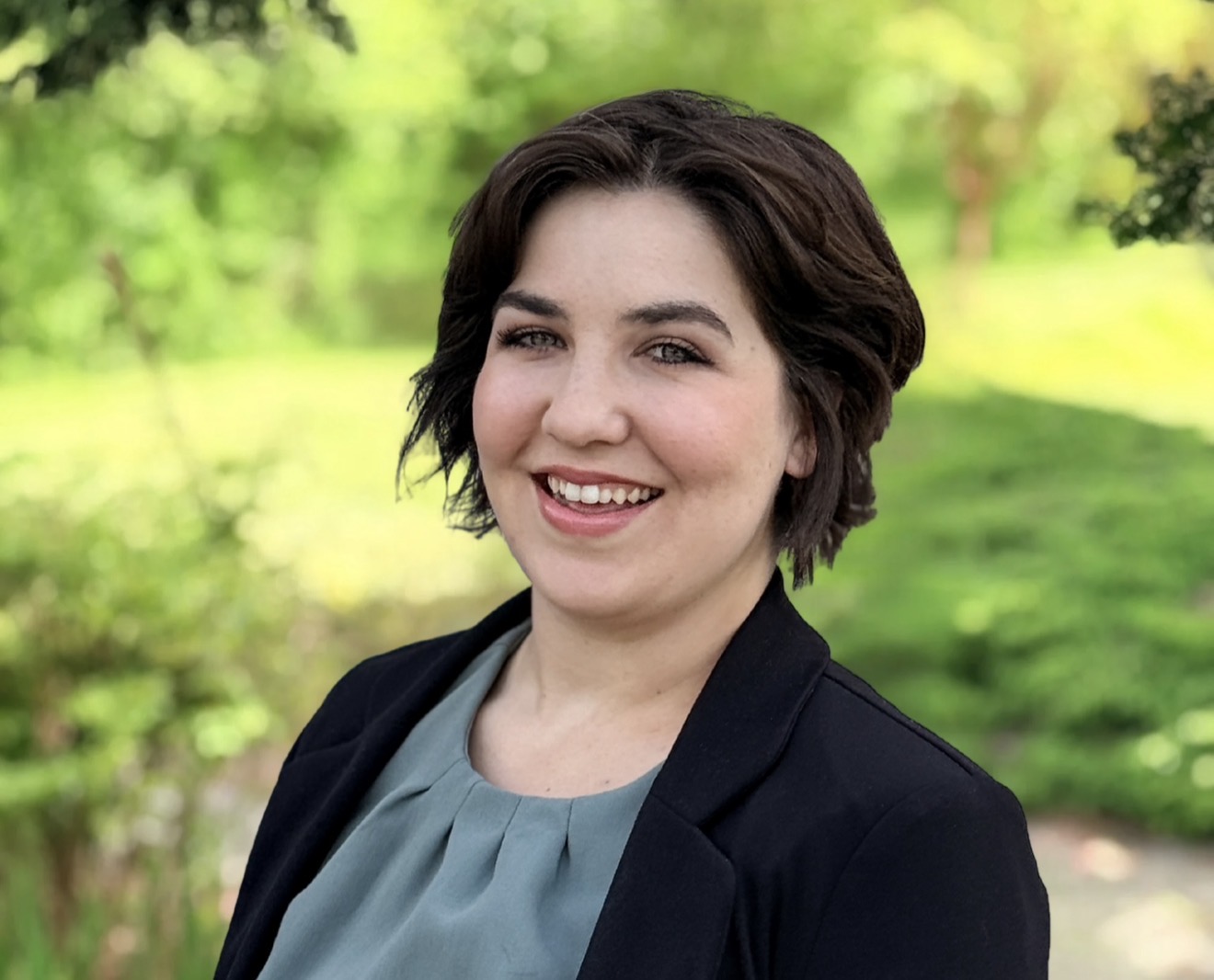
I sat down over coffee in Port Townsend with the Democratic candidate for the 24th District Position 2, Kaylee Kuehn. We had a candid talk on a wide range of issues. The following interview was edited for brevity.
Kaylee Kuehn (pronounced Keen) is running for the open seat vacated by long time Olympia powerhouse Steve Tharinger. Kuehn was raised in Sequim, attended Evergreen college, and has a Masters in Education from Grand Canyon University. She is a mother and her husband is a former prosecuting attorney and now serves as an Assistant Attorney General for Clallam and Jefferson counties. She beat out two other Democrats and one Democratic Socialist of America for her place in the fall elections.
The defining factor in her running is her youth. At 28, she does not bring huge range of experience to the position, but does bring a youthful energy and has worked in education as a high school teacher and as a volunteer for a regional union, the Association of Western Pulp & Paper Workers in partnership with Pacific Northwest Regional Strategies. She is the first to admit that she does not have a lot of background on the issues facing the Peninsula.
KK: When I decided to run for this seat I wasn’t spending years of my life planning and prepping for doing this. I’m not trying to sell myself as more knowledgeable or experienced than I am. I can ask questions gather all the information and hopefully make the right decisions. That’s what I’m hoping to bring to this seat. I understand that a lot of people want a politician to come in and make all these sweeping changes and solve everything, and I just don’t view politics that way. I think that is very rare. I think there is a lot of value in pragmatism and balance to decision making about really important things that affect all of us.
Q: Steve Tharinger has been there for a long, long time. Where do you see your differences from Steve? Do you feel like you just take over where he left off, or do you see some, you see some differences between what you bring versus what Steve brings?
K.K: I’ve had the pleasure of meeting Steve several times, talking with him, and getting to know him a little bit more, and now that I’ve made it through the primary, he’s now gotten involved in the race. I see that we’ll be similar in a lot of ways, how we treat people.
I think where we differ is just our perspectives. I think the biggest difference will be that I am a young working mom. I’ve been riffed from a union job before. I know what that feels like. I know what it’s like to move every single year because of the rising costs of rent. But I would also like to bring my voice to this because I think that in the 24th, we’ve had nobody liked me before. With so many more working families living throughout the district, I think it’s good to have someone who actually has experience with the challenges that we face.
Q: What committees are you wanting to be assigned to if you win?
KK: I don’t have specific committees I am targeting. I think what’s important as a legislator is understanding how the process works. I would like to be on a fiscal committee, maybe on a policy committee. I was thinking about education, coming from that world. Adam (Bernbaum, the other Representative in the 24th) is going to be on healthcare and transportation, they don’t put freshmen on appropriations, so the capital budget makes sense for me. And perhaps housing. I think that would be a really impactful way that I could make a difference for our district, because it does come up so much.
Q: What do you think that you can actually address in housing?
KK: I do think we get very focused on process over outcome. So with housing in particular, I talked to so many people who said, I want to be able to make my property livable for somebody. I want to be able to rent it out. But the financial and timeline barriers are too much for virtually every person I talked to. And I think at the state level, we can ease those requirements. There’s probably something in between that just gets people housed and gets people into a situation where they can work towards.
Q: That sort of circles to the Growth Management Act (GMA).What do you think that needs to be fixed or changed in it?
KK: It’s pretty important. I’m not a planner. I don’t have those answers right now. I would like to understand it. There are definitely areas where I am not there yet about knowing the specifics of what I would like to propose or change, but I will learn it, and do what’s right for folks.
OPEN: What are your priorities?
KK: Number one, I would like to talk to the cost of living, affordability. I know that it’s a very big area. I am supporting the millionaire’s tax. I do think that it’s horrific that we have the second most regressive tax system in the United States. I don’t want to push business out. I feel like I want to be a friend to business and to understand the issues and want to keep them here. I also think that there have to be decisions that ultimately level the playing field. We need to be a lot more open to embracing just everyone having an equitable share so the burden isn’t more on working folks.
Q: The Climate Commitment Act (CCA) has been very controversial. We’re using the money (from the CCA) to build new electric ferries. That great. But I thought that the goal was to reduce carbon? And it’s causing the state to add more taxes to gas for blue collar people. So what do you say to those people?
KK: I was one of the only ones in the primary other than Marcia to be critical of the CCA. With the CCA, this is something that people have very strong feelings about. I just think that we have to look at, like, practical outcomes. It would benefit us politically, to not keep raising regressive taxes. We say there are benefits, but actually, a lot of people, especially out here, don’t see them. They feel they get hurt by them.
Q: So where do you cut the budget?
KK: I’ll bring up a kind of controversial thing, you know? One of the best things that we’ve done in Washington, I think, is implement paid family medical. It’s also a massive part of our budget. People say, why did the budget get so, so much higher? It’s because of things like this that are really good. I got a benefit from that (law), to stay home with my daughter for a long time and my husband did also.
But that’s a giant part of our budget. I think we shouldn’t be cutting from anything that has to do with children. Cutting the budget, it’s not just numbers to me, it’s real outcomes.
Q: So where do you cut? I mean, you have a pie that’s just so big. Right? We just don’t have the revenue stream to be able to do everything that we used to do or want to do, and so where do you see yourself supporting cuts? Former Governors Gregoire and Locke along with Ferguson say you have to cut. Would you support an across the board 5% of everything? Or only a specific cuts?
KK: I think I think it would come down to what makes the least direct impact? So unfortunately, if there’s some type of subsidy or something, or a decision like taking away spots that kids would have had to transition into kindergarten. I would not want to cut there. I am obviously not against kids getting school lunches. In an ideal world, we just would have all kids get free lunches all the time. But we probably need means testing. I work and I can afford to give my child lunch and pack their lunch for school. I think most people, that are lower middle class can do that. And I’m gonna piss some people off, saying that, but why not?
Q: On the environment, there is this whole issue of forest cutting. Out in Port Angeles right now there’s many environmentalists I know fighting for saving these small older growth parcels. $40,000, I think, is what Port Angeles would have gotten or will get, whatever, from that cut. So that’s something that they needed to budget for, and now that’s $40,000 out of their budgets for schools and police and all the rest. That’s mainly handled by the Department of Natural Resources (DNR) but I would assume that the legislature has some impact in being able to talk to DNR about budgeting issues.
KK: I think that one thing that’s kind of misunderstood is that a lot of this land, when it’s being sold, was already designated as needing to be sold. I’m kind of unsympathetic, because I understand that people want to protect these old growth trees. I would also like to, but to what extent, to what end? And what are we missing by doing that?
Q: Have you talked to those folks that are opposing the cut out there?
KK: You mean has every side has been talking to me? Yes. I had lunch this past weekend with Dave UptheGrove (the director of DNR). It was a great chance to sit down, ’cause I’m getting pressured on both sides. I agreed not to take timber money, and now I’m getting timber folks saying, can we send you campaign money? You know, for me, the funding thing. I’ll take all the campaign contributions I can get because now I’m not bought and I don’t care what anybody thinks. My vote is not bought by anybody. Someone wants to help me pay for my childcare (by donating to my campaign). They can. They get a meeting just as much as any other constituent would get a meeting and small business owner. Nothing comes above my constituency, if I’m elected.
Q: So have you made a decision yet on this issue?
KK: I just haven’t made up my mind yet. This is probably the biggest area out of any other policy area where I feel like I cannot, in good conscience, make a firm decision right now about what type of policy I’m gonna make, because I want to look it. I with talked with our mills and the industry and union were very aligned. because they’re concerned we’ve had so many mill closures.
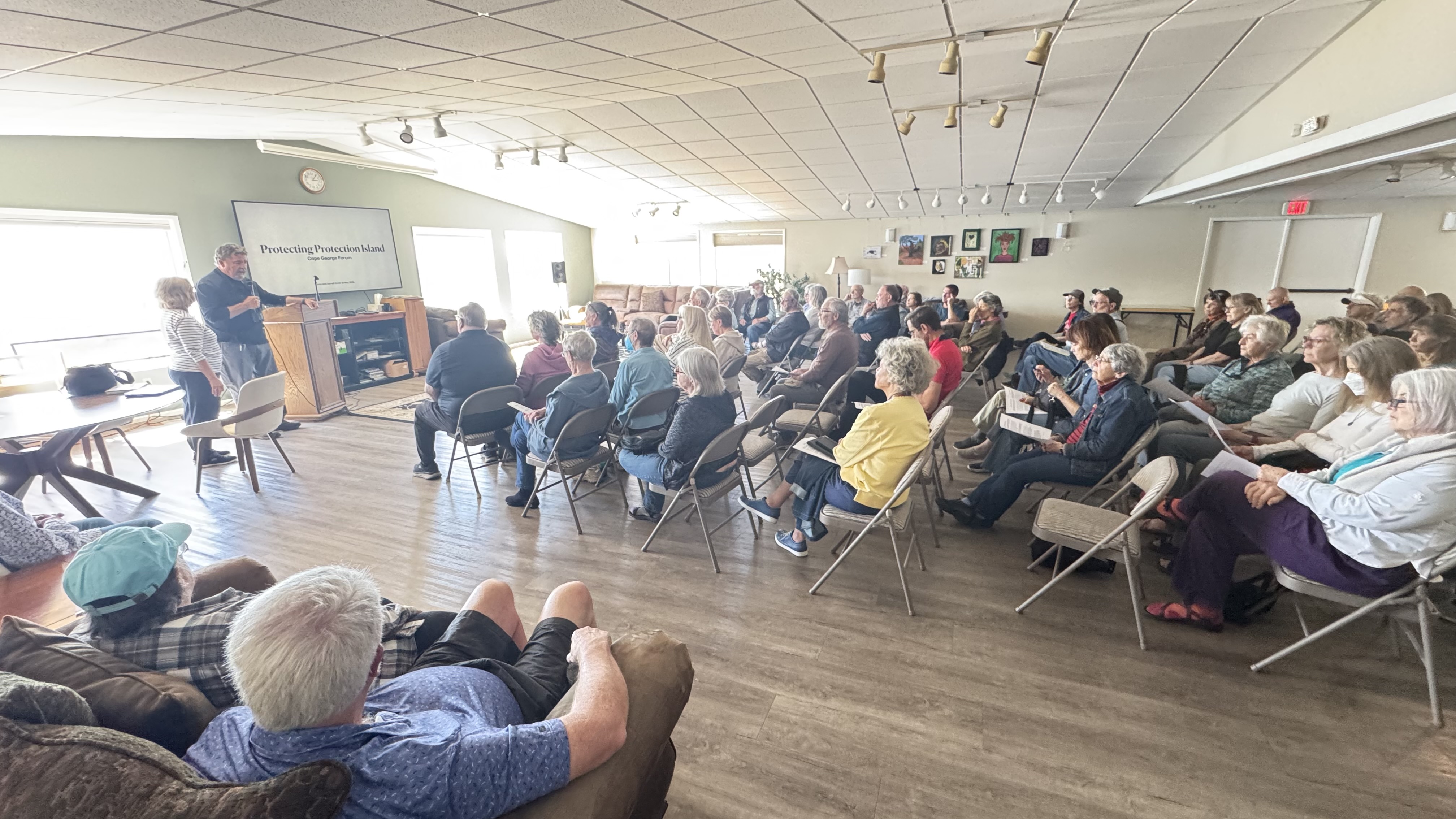
Q: What are your thoughts about the Protection Island / Dungeness Spit Land transfer. Have you come down, one way or another, on what’s going on with this possible land transfer, that U.S. Representative Emily Randall is promoting?
KK: I know. I heard her talk about it at the little recent meeting. Yeah very contentious right now. I understand that.
I haven’t got the tribal perspective from it. I was hoping to sit down with Ron Allen but we haven’t managed to get together yet. The biggest concern is that it’s their sovereign status. Once they get the land they get to make their own decision and we don’t have any way to have input. Emily Randall said that there’s going to be a lot of conversations before this happens. It is not going to pass for several years if it even does, and we’re really going to work on it and get a lot of public comment. And at the end of the day, it is just the fact that it’s transferring it over and we’ll have no say. The US government would have no say in it.
I’m interested to hear different perspectives. I’m not saying I don’t have an opinion on it. One issue that I really do understand, and I take it very highly right now. is that I don’t I don’t trust the Trump administration.
Q: No, I don’t either.
KK: I don’t trust them (the Trump Administration) to manage it properly. What is great is that, like you said, it’s a co-management right now.
OPEN: What are your thoughts about your opponent, Marcia Kelbon?
KK: I really respect her independence. But to do this job, to be effective, to be able to secure funding for, is it a department or a district, to be able get in the majority caucus room and have be a voice for our district. You have to play the system. You have to. You have to understand it.
Last night (at the Marrowstone debate) she was very optimistic. That whole thing (about having a voice in Olympia) came up, and she said, “Well, I think that I can build a relationship with people.” I don’t doubt that. But Olympia is a machine. It’s serious. I mean no disrespect to my opponent. But no one cares about one person’s agenda. They really don’t. They have stuff to get done. Everyone’s got their own little game. And it’s sad, I think, but that that’s how it works.”
Filed under: Government, Olympic Peninsula, Politics, Washington State | Tagged: 24th district, elections | Comments Off on A talk with Kaylee Kuehn