


Sound and Vision is perhaps the most important film ever to be produced on the issues of today’s Salish Sea. Over a year in the making, it has never been seen on the Olympic Peninsula before.
It is not available on the Internet nor television at this time.
What to expect:
Sound and Vision, a film in eight parts, explores issues facing the near shore environment. It is a film about the oceans, told through the stories of people working to clean up, protect, and restore habitat in Puget Sound and beyond. Including a prologue of the the BP Deepwater Horizon Oil Spill, which helps clarify the risks to Puget Sound.
Voices for the Sound: People For Puget Sound Founder and Executive Director Kathy Fletcher (retired), Washington State Senator Kevin Ranker and Makah Tribal leadership form one voice urgently calling for support of early response spill policies and programs.
Plastic Trash
“Trash Enthusiast” Neil Chism is featured as he travels the Duwamish River collecting refuse that floats in the water and washes ashore. Imagery of buckets and bags full of trash– ranging from Styrofoam and packing materials to a plastic doll dubbed ‘Babs’– conveys the breadth and depth of pollution just one man gathered in a days work to save the Sound.
Legacy Pollution
Mike Sato, and James Rasmussen of the Duwamish River Cleanup Coalition (DRCC) speak about the effects of 150 years of industrial dumping and runoff on the habitats and wildlife on the Duwamish. BJ Cummings of the DRCC, sums up the current state of the river’s health and the efforts of his organization to recover the river.
Ongoing Pollution
In Part Four, Bill Malatinksy, a Watershed Interpretive Specialist with Seattle Public Utilities’ Restore Our Waters program, speaks about ongoing pollution and the journey stormwater, also known as polluted runoff, takes through Seattle’s drain
system. This segment contains the incredible underwater footage of diver Laura James.
Everyday Toxins explores polluted runoff and its connection to our food system and human health.
Stormwater Solutions - Stormwater solutions and citizen action are showcased in the examples presented by Bill Malatinsky and Juliet Romano of the Seattle Garden Club. Bill visits the Broadview Green Grid to show a natural drainage system, similar to a rain garden,which captures storm runoff as it travels towards depressions in the land. Ninety-nine percent of polluted runoff is absorbed into the natural drainage system, providing the ancillary benefits of nourishing vegetation and beautifying neighborhoods. We travel with Juliet to Olympia as she takes part in Lobby Day, a day of citizen lobbying that has grown over the past 19 years. Dave Upthegrove, Washington State Representative, emphasizes the power of environmental action when he says, “A citizen from our district who communicates an issue to us is more important than any paid lobbyist.”
In the final segment "Restoration", the necessity and benefit of river and estuary restoration is featured in an interview with Doug Myers, Former Science Director for People For Puget Sound, and Jean Takekawa, Refuge Manager of the Nisqually National Wildlife Refuge.
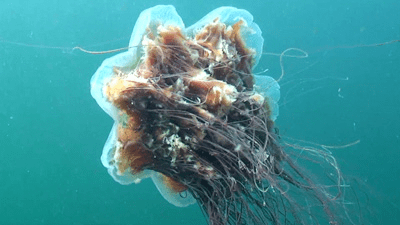
Footage from Laura James in “Sound and Vision”

